
.
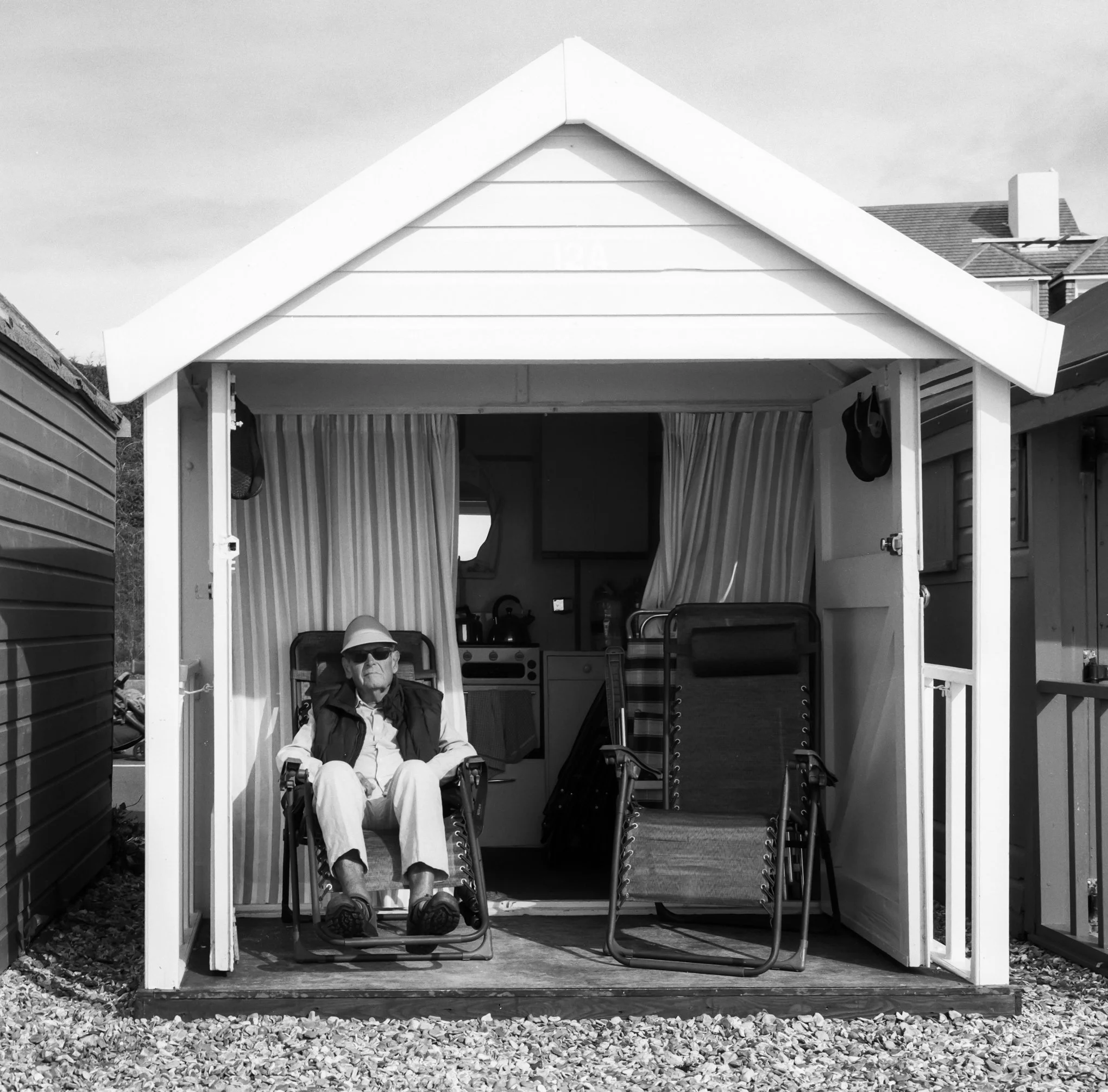
Relaxing! Taken on a Rolleiflex 3.5F and Illford HP5
Today I want to ask a simple question. Why is film photography, the slow, expensive, gloriously inconvenient way of taking pictures, having its biggest moment in twenty years?
Why film Photography is making a comeback
Why now, when every phone can take a technically perfect photograph in a fraction of a second. That is exactly the point. Film is not winning because it is better on paper. It is winning because it feels different. You slow down, you think before you press the shutter, and you wait to see what you got. For a lot of people, me included, that wait has become part of the pleasure.
This is not just nostalgia. There is real evidence that demand is growing. Kodak has previously reported that consumer film demand roughly doubled over five years. Its latest corporate filings also acknowledge increased demand for film products, with manufacturing capacity and staffing having to expand to keep pace. It seems that film photography is no longer simply a niche interest for a handful of enthusiasts.
There is also a younger generation discovering film. In fact, estimates suggest that around 35% of active film camera users are now aged between 18 and 30. They grew up with digital photography, so film offers something rather different. It is tangible, it has grain, and it doesn't look like everything else on a screen. Perhaps that's part of its attraction.
The real cost of shooting Film
But let us be honest about the catch. Film is expensive, and anyone starting out should know the real cost first. A roll of film is not one price, it is three. You pay for the film, you pay to develop it, and you pay to scan it into digital files you can share.
Take a standard roll of 35mm film with 36 exposures. A budget colour film such as Kodak Gold 200 might cost around £11–£14, while a professional film such as Portra 400 can approach £20. Then there is processing and scanning, which can add another £15–£20, depending on the laboratory and scan quality. Suddenly, each photograph is costing somewhere around 75p to £1. That's quite an incentive to think before pressing the shutter! Shoot two rolls a month, and you are spending several hundred pounds a year before you have bought a camera.
Why has it got so dear. Partly demand, and partly the raw materials. Film is coated with silver halide, and the price of silver has gone up like everything else.
Getting Started: Choosing Your First Camera & Film
So how do you start without wasting money. Start simple, and start cheap. For a first camera, a used 35mm SLR is hard to beat. A Canon AE-1, a Pentax K1000, or a Minolta X-700 will teach you aperture and shutter speed properly. If you want something even simpler, a pocket point and shoot, such as an Olympus Trip is a lovely daily carry.
For the first roll, load Kodak Gold 200, or UltraMax 400 if you will be shooting indoors as well as out. Both are forgiving, they are processed by any colour lab, and they will not punish a small metering mistake. Save Portra 400 for when you trust your meter. For black and white, Ilford HP5 Plus is the classic forgiving choice.
Why Every Frame Matters
There are three habits that save a beginner from disappointment, and they are all free. First, shoot in good light for your first few rolls. Second, understand how your film responds to exposure. Colour negative film generally copes well with a little overexposure, but underexposure can quickly lead to muddy shadows and loss of detail. Learn to trust your meter, and understand when you might need to give the film a little more exposure. And third, slow down. Thirty six frames is not many, so ask yourself before every shot whether this one is worth about a pound.
That last one is really the whole appeal. Film does not make you a better photographer by magic. It makes you a more deliberate one, because every frame has a price and a wait attached to it. That is also why so many digital photographers are picking up a film camera as a second way of seeing.
Over the next few blogs I will look at choosing a first film camera properly, what to check before you buy a used one, and which cameras are overpriced because everyone wants them. After that, we will go deep on film stocks, so you can pick the right roll for portraits, landscapes, or a grey Scottish morning.
The takeaway for today is simple. Film is booming again, and the numbers prove it is more than a fad. It costs real money, about a pound a frame, so start with a simple camera and a forgiving film, shoot in good light, and let the slowness do its work. That is the whole joy of it.